section heading hidden

- By Caleb Thornton
- 27 Nov 2025
Understanding SaaS Pricing Models
Pricing is one of the most influential aspects of any software product, yet it is often treated as a secondary detail. For founders choosing software, pricing models shape not only monthly costs, but also how tools are used, how they scale, and how predictable expenses remain over time. Understanding SaaS pricing models helps founders make better decisions and avoid surprises as their business grows.
Modern SaaS companies design pricing to align incentives between the provider and the customer. Each model reflects assumptions about usage patterns, value delivery, and growth. Founders who understand these assumptions can choose tools that fit their operating style rather than fighting against built-in constraints.
Why Pricing Models Matter More Than Price
Many founders focus primarily on price when evaluating software. While affordability is important, the structure of pricing often has a greater impact than the absolute number. Pricing models influence how freely a tool can be used, how costs change with growth, and whether spending aligns with value received.
A low monthly fee can become expensive if pricing scales aggressively with usage. Conversely, a higher base price may provide predictability and freedom. Modern founders evaluate pricing models as part of system design rather than as isolated expenses.
Flat-Rate Pricing
Flat-rate pricing offers a single price for access to a product, regardless of usage. This model is simple and predictable. Founders know exactly what they will pay each month, which makes budgeting straightforward.
However, flat-rate pricing assumes relatively uniform usage across customers. For businesses with rapidly changing needs, this model can either feel limiting or inefficient. Modern founders value flat pricing when stability and simplicity matter more than granular optimization.
Tiered Pricing
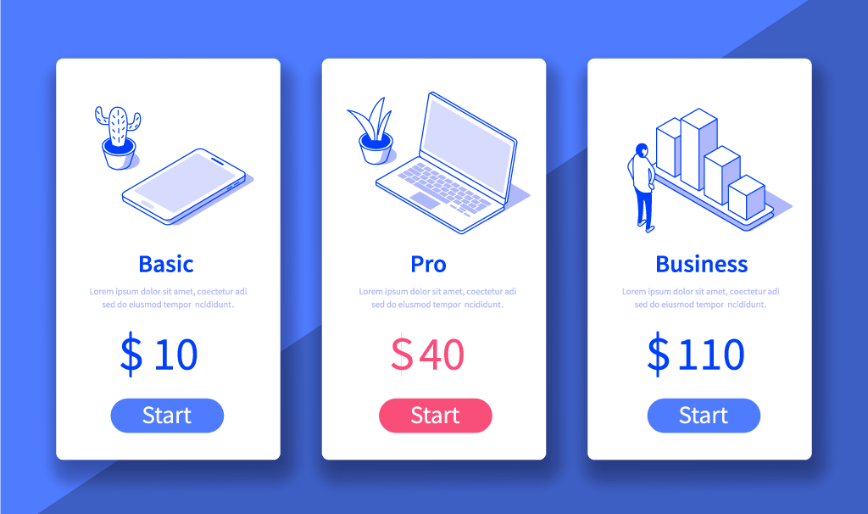
Tiered pricing is one of the most common SaaS models. Customers choose between predefined plans that bundle features, limits, or support levels. This approach allows software providers to serve different customer segments.
For founders, tiered pricing introduces tradeoffs. Lower tiers may restrict important functionality, while higher tiers may include features that are not yet needed. Modern founders assess whether tier boundaries align with how they expect the business to grow.
Per-User Pricing
Per-user pricing charges based on the number of people using the software. This model is common in collaboration, communication, and productivity tools. Costs scale directly with team size, which can feel intuitive.
The downside is that per-user pricing can discourage adoption. Founders may limit access to control costs, reducing the effectiveness of the tool. Modern companies evaluate whether broad usage or controlled access better supports their workflows.
Usage-Based Pricing
Usage-based pricing charges customers based on consumption, such as number of actions, data processed, or API calls. This model aligns cost closely with value delivered and is increasingly popular among infrastructure and analytics tools.
While usage-based pricing offers flexibility, it introduces variability. Costs can fluctuate month to month, making budgeting harder. Modern founders use this model when usage is predictable or when paying for growth feels acceptable.
Feature-Based Pricing
Feature-based pricing unlocks functionality based on the selected plan. Advanced features are reserved for higher tiers. This model encourages upgrades as needs become more complex.
For founders, feature gating can be frustrating when essential capabilities are locked behind expensive plans. Modern companies evaluate whether the features they rely on are core or optional within a given pricing structure.
Freemium Models
Freemium models offer a limited version of the product for free, with paid upgrades for additional functionality or capacity. This approach lowers the barrier to entry and allows teams to experiment before committing financially.
However, freemium tiers are often designed to highlight limitations rather than provide long-term value. Founders should assess whether the free version supports meaningful work or simply delays an inevitable upgrade.
Annual vs Monthly Billing
Many SaaS companies offer discounts for annual billing. Paying upfront reduces cost and administrative overhead, but it also increases commitment. For early-stage businesses, flexibility may outweigh savings.
Modern founders consider confidence in the tool and stability of usage before committing annually. Monthly billing preserves optionality during periods of rapid change.
How Pricing Models Influence Behavior
Pricing shapes behavior. Per-user pricing affects how widely a tool is adopted. Usage-based pricing influences how frequently it is used. Feature gating determines which workflows are prioritized.
Modern founders evaluate whether a pricing model encourages the behaviors they want. Software should support how the business operates, not force workarounds to avoid cost increases.
Matching Pricing Models to Business Stage
Early-stage companies often prefer predictable pricing and low commitment. As businesses grow and usage patterns stabilize, more complex pricing models become manageable.
Modern founders choose pricing models that match their current stage rather than optimizing for distant futures. This reduces friction and preserves focus.
Making Pricing Part of Strategic Decisions
SaaS pricing models are not neutral. They reflect how vendors expect customers to grow and use their products. Founders who understand these models make more intentional software choices and avoid misalignment.
By evaluating pricing structure alongside functionality and fit, modern founders build software stacks that scale predictably and support long-term outcomes. The right pricing model is one that grows with the business, not one that creates friction as success increases.

Caleb Thornton specializes in business software and the systems that support modern companies. His writing breaks down how founders evaluate tools, compare platforms, and make technology decisions without bias or unnecessary complexity. Known for his practical and structured approach, Caleb helps readers build software stacks that scale with the business.
0 Comments
Leave a reply
Caleb Thornton
Caleb Thornton specializes in business software and the systems that support modern companies. His writing breaks down how founders evaluate tools, compare platforms, and make technology decisions without bias or unnecessary complexity. Known for his practical and structured approach, Caleb helps readers build software stacks that scale with the business.
Trending Posts

How Founders Think About Risk and Timing

The Hidden Costs of Choosing the Wrong Tool

How Operations Change as Companies Grow

NxFounder is an editorial resource for modern founders. We publish practical guides on building companies, understanding core business systems, and choosing software that supports long-term growth and operations.
Newsletter
Get new NxFounder articles, practical frameworks, and occasional updates on software and systems used by modern founders.
Copyright © 2026 // All Rights Reserved by NxFounder.